Today’s vehicles are equipped with more safety technology than ever before. Automatic emergency braking, blind-spot monitoring, lane-departure warnings, backup cameras, and pedestrian-detection systems are increasingly common. And they have significantly reduced specific types of traffic collisions. Yet serious crashes involving drivers, pedestrians, and bicyclists continue to occur. Why has better technology not solved the problem?
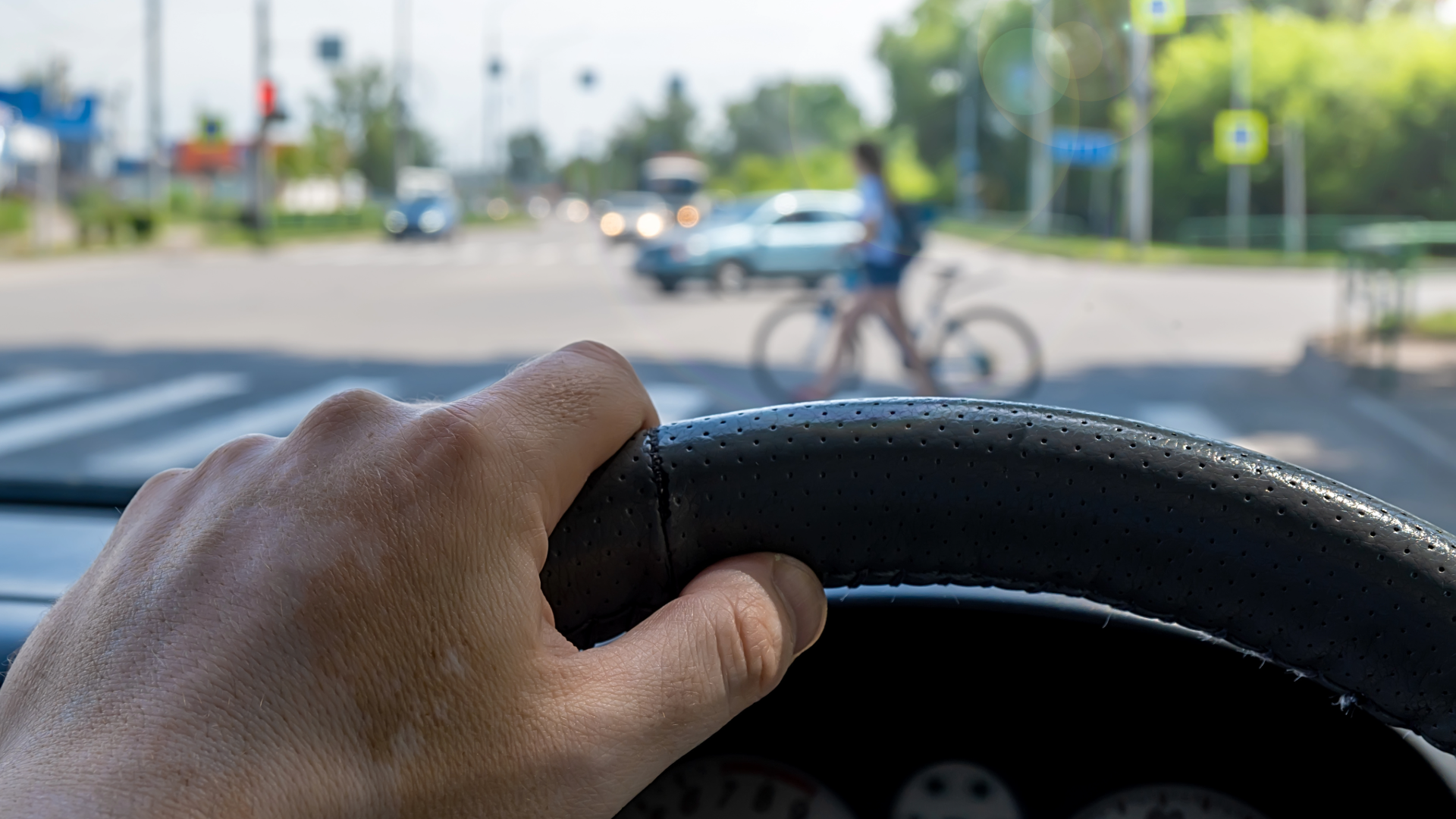
One reason is that safety features cannot eliminate human error. Speeding, distracted driving, impairment, fatigue, and aggressive behavior remain major contributors to collisions. A warning system may alert a driver to danger, but it cannot guarantee that the driver will react appropriately or in time. Drivers may also become overly dependent on automated features and pay less attention to their surroundings.
Vehicle design presents another challenge. Larger SUVs and pickup trucks have become increasingly popular. Although these vehicles may offer greater protection to their occupants, their height and weight can make collisions more dangerous for pedestrians and bicyclists. Large front ends may create significant blind spots and are more likely to strike a person’s upper body, increasing the risk of severe injury.
Road design also plays an important role. Many streets were built primarily to move motor vehicles quickly, with limited consideration for people walking or bicycling. Inadequate lighting, missing sidewalks, poorly marked crosswalks, unprotected bicycle lanes, and wide intersections can place vulnerable road users in dangerous situations. Even the most advanced vehicle technology cannot fully compensate for unsafe infrastructure.
Technology also has practical limitations. Cameras and sensors may perform poorly in darkness, heavy rain, fog, or bright glare. They may fail to detect a bicyclist approaching from an unexpected direction or a pedestrian partially obscured by another vehicle. Many older vehicles lack these features altogether, and some drivers disable alerts they consider distracting.
Reducing traffic accidents therefore requires more than adding technology to vehicles. It demands responsible driving, safer street design, effective traffic enforcement, improved driver education, and greater awareness of pedestrians and bicyclists. Safety features are valuable tools, but they are not substitutes for attention and good judgment.
Ultimately, preventing crashes is a shared responsibility. Manufacturers can continue improving vehicle systems, and communities can build safer roads, but every driver must remain alert and recognize that pedestrians and bicyclists have far less protection when a collision occurs.
If you or a loved one has been injured in a California traffic crash, contact Dolan Law Firm to discuss your case. Learn about our car crash, pedestrian injury and bicycle injury services, or dial #4HELP (#44357).
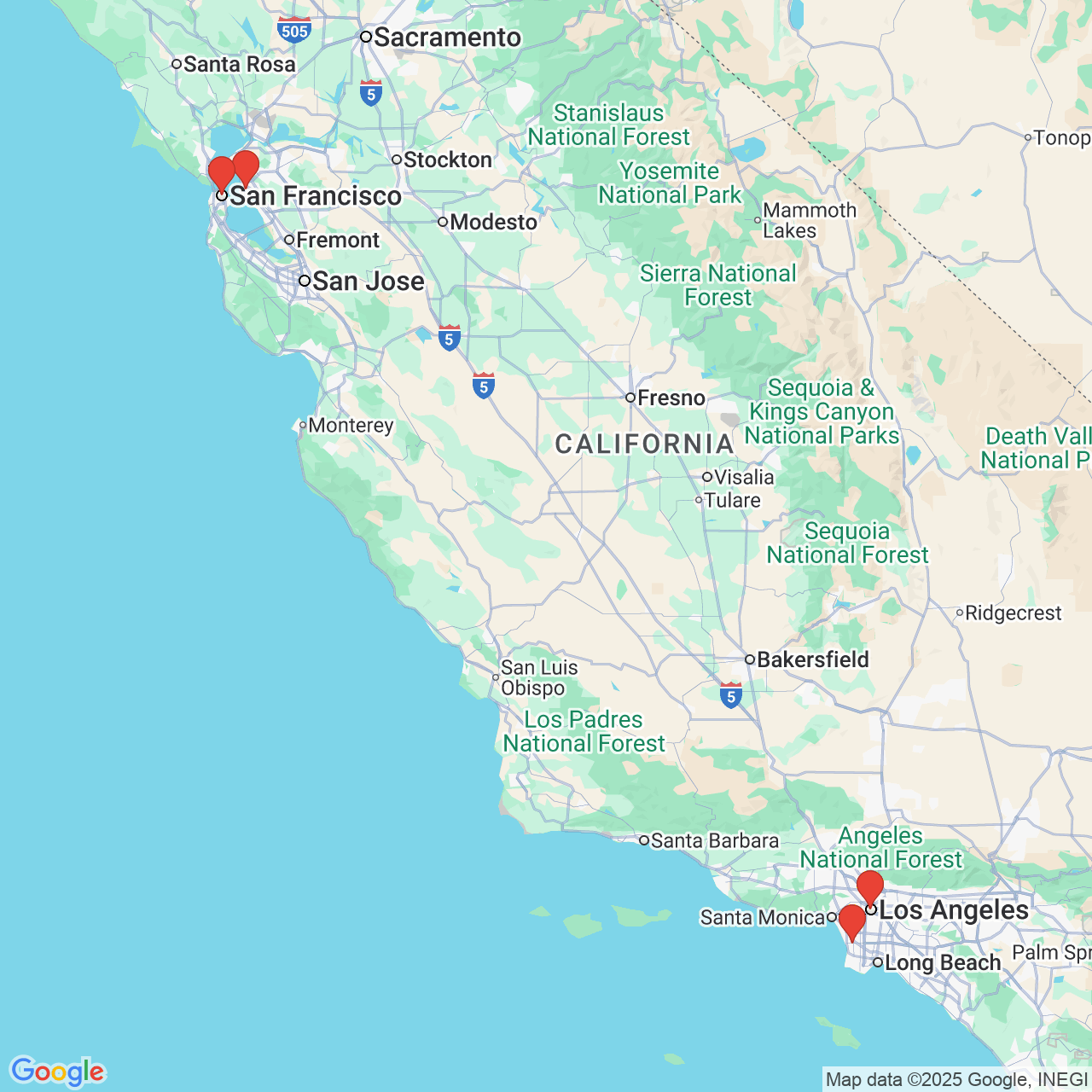
Christopher B. Dolan leads a team of attorneys in Los Angeles, Oakland, Redondo Beach, and San Francisco, representing personal injury, discrimination, and employment law cases. We are the best lawyers we hope you’ll never need. Our successful courtroom cases have resulted in our recognition for excellence by:
Request a free case evaluation by filling out our online form or by calling us at (415) 421-2800.
Locations
We have 4 locations to visit us at.