
Can social media companies be held liable for addictive platform design?
Social media has become so ubiquitous that it cannot be separated from the very fabric of our society. Once touted as merely a tool for connecting individuals, the harmful effects of social media are proving as far-reaching as its celebrated ability to bring people together. Now, courts are being asked to determine whether the design of these platforms can create legal responsibility when young users are harmed.
In March 2026, a jury in K.G.M. v Meta et al., found Meta, who owns Facebook and Instagram, and Google, which owns Youtube, liable for negligently designing social media platforms that caused harm to a minor, awarding a total of $6 million in compensatory and punitive damages. One of three bellwether cases involving social media companies, the complaint alleged that Meta and Google intentionally designed addictive platforms, deliberately engineering addictive features that damaged the plaintiff’s mental health as a child.
K.G.M. v. Meta Platforms, Inc., et al. is one of several bellwether cases drawn from a pool of similar cases to test the law on harmful social media use, under a framework of products liability.
Social media corporations have been shielded by Section 230 of the Communications Decency Act of 1996, a federal statute that generally protects online platforms from liability for third-party user content. Media companies were painted as mere passive hosts for the content published by their users. However, using a framework of products liability, these seminal cases attempt to move around traditional Section 230 defenses by not addressing the content posted on social media sites, but by targeting how that content is delivered to their users.
The plaintiff in K.G.M. v. Meta Platforms, Inc., et al. leveraged both negligence and strict liability theories against Meta and Google by focusing on claims for design defect, strict liability for failure to warn, and product liability for negligent design. The complaint argued that the defendant companies defectively designed their products to addict their users, thereby posing a mental health risk of which the defendants had knowledge.
These defective and addictive design features included infinite scrolling, autoplay and content loops, algorithmically personalized feeds, and short-form videos. Additionally, failure to warn claims argued that Meta and Google were aware of the potential risk to young users, and either concealed or disregarded the risk.
Although the verdict is likely to face continued post-trial challenges and appeals, K.G.M. v. Meta Platforms, Inc., et al. demonstrates a dramatic shift in the law governing the liability of social media companies and reflects a broader public demand for accountability. Like the landmark tobacco lawsuits of the 1990s, these bellwether cases present some of the most significant and landscape-shifting mass tort litigation in recent U.S. history, paving the way for redress for future plaintiffs and, ultimately, for reining in the addictive platform designs that have gone unchecked for far too long.
If you believe you or a loved one has been harmed by a defective product, unsafe design, or a company’s failure to warn about known risks, speaking with an attorney experienced in product liability law can help you better understand your rights. To learn more, visit Dolan Law Firm’s product liability services page, contact us online, or dial #4HELP.
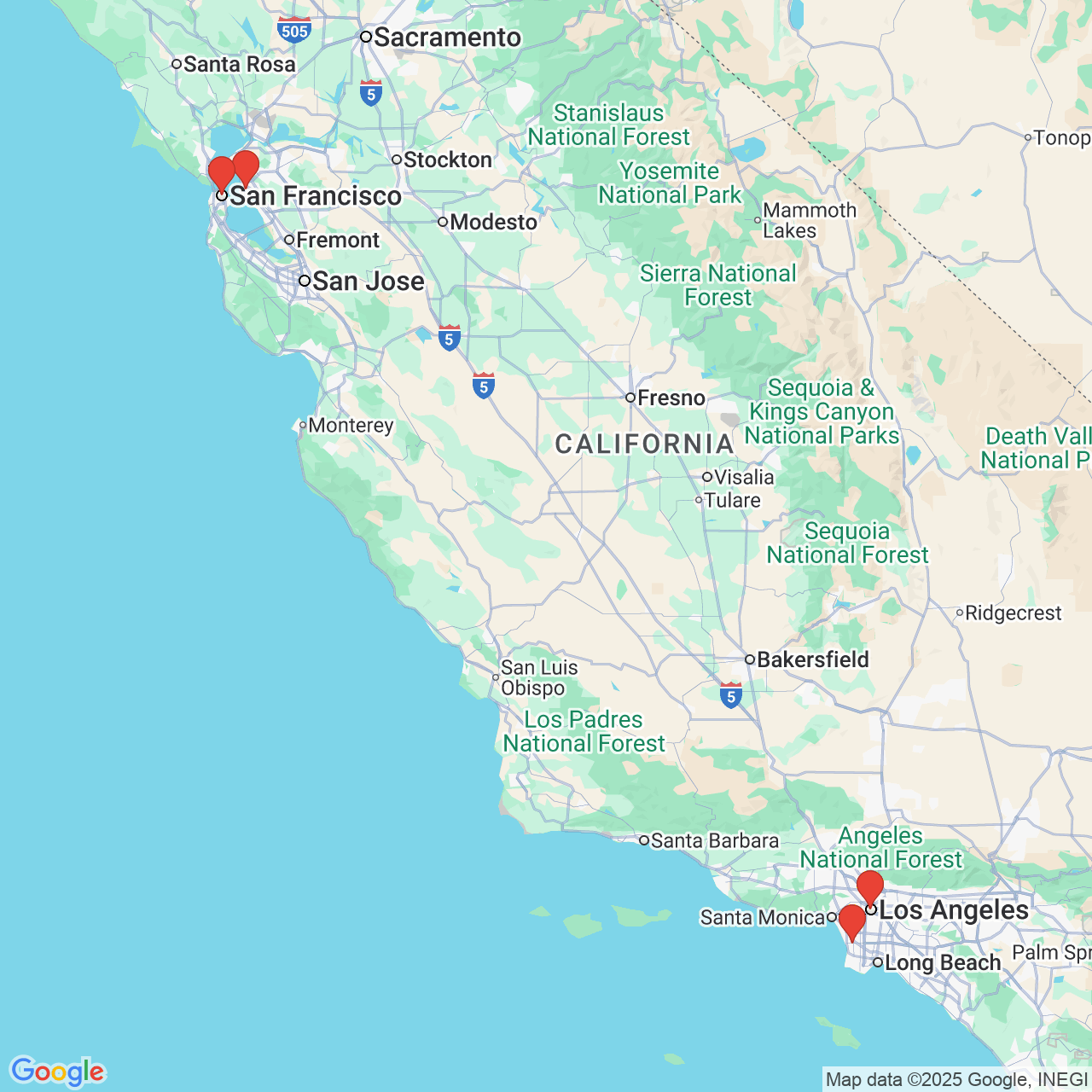
Christopher B. Dolan leads a team of attorneys in Los Angeles, Oakland, Redondo Beach, and San Francisco, representing personal injury, discrimination, and employment law cases. We are the best lawyers we hope you’ll never need. Our successful courtroom cases have resulted in our recognition for excellence by:
Request a free case evaluation by filling out our online form or by calling us at (415) 421-2800.
Locations
We have 4 locations to visit us at.