"Who is liable in a California driverless vehicle collision?"
Over the last couple of years, self-driving cars have surged to the forefront of transportation innovation, with a promise to change how we commute and move through our cities. Using artificial intelligence (AI), sensor technologies, and advanced computing power, driverless vehicles have made significant progress in both testing and early deployment. Major automotive industry giants and startups alike have been competing to bring this technology to the public, with the San Francisco Bay Area often serving as a proving ground.
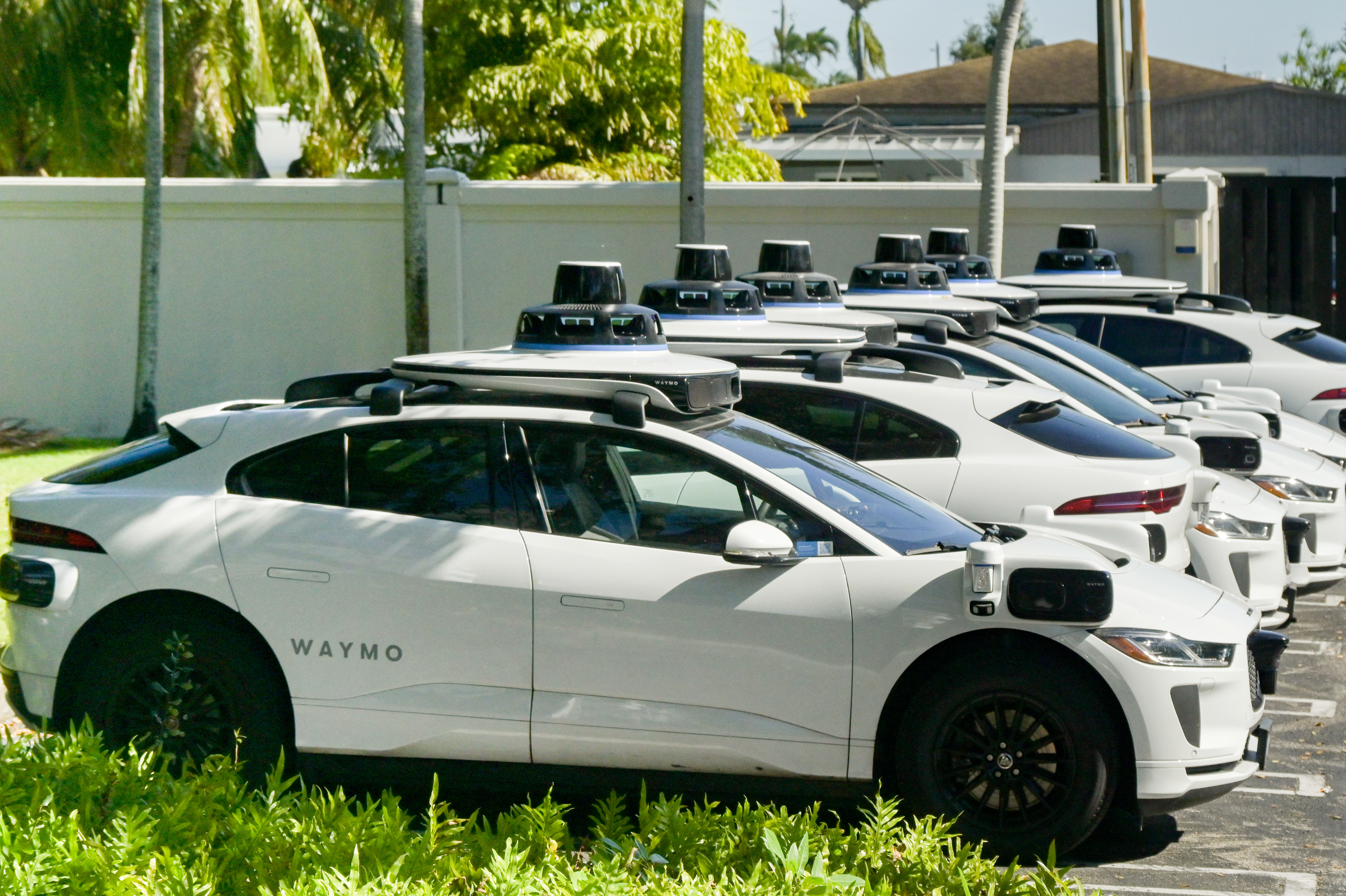
When companies like Waymo and Cruise test driverless taxis on city streets, one question almost always follows: Who is liable in a California driverless vehicle collision?
Autonomous or driverless vehicles are designed to follow traffic laws and react quickly to hazards. But collisions still happen, and California has developed a growing framework for how these vehicles are tested and how crashes are reported.
It is often the case that technology outpaces legislation, even when the technology has been anticipated for years. Ideally, lawmakers have time to craft common-sense rules for issues that predictably create public concern. Health and safety sit at the center of most technology regulations. That concern becomes even more important when we are dealing with thousand-pound vehicles operating without a human driver actively controlling the car.
Currently, in California, autonomous vehicles may operate on public roads under specific rules and permits, depending on whether the vehicle is being tested with a driver, without a driver, or under a permitted deployment program.
California has attempted to codify key requirements related to autonomous vehicle testing in California Vehicle Code section 38750. Let’s imagine a scenario where an autonomous vehicle (AV) is involved in a collision with another vehicle or a pedestrian. What is required under California law?
This brings us back to the key question: who is liable in a California driverless vehicle collision? As with any roadway crash, liability is typically determined by identifying fault based on the facts.
One difference with driverless technology is the potential for audio and video recordings, sensor data, and electronic telemetry that may capture what happened before and during the collision. That information can be critical in understanding whether the AV’s driving system, a human driver, a pedestrian, a cyclist, a road hazard, or another factor contributed to the crash. Determining fault may be as straightforward as reviewing video, or it may require a deeper analysis of vehicle data and the collision scene.
In many cases, the manufacturer may submit the claim to its insurance carrier, but liability will still depend on the evidence and the facts of the incident.
If you are involved in a collision with a driverless vehicle, make sure it is reported to law enforcement and your own insurance carrier. If you have been injured, you may want to contact an attorney to help determine your rights and take early steps to preserve evidence, including any recordings or data that may be relevant to liability. You can also reach us through our Contact Us page and learn more about our Personal Injury practice areas.
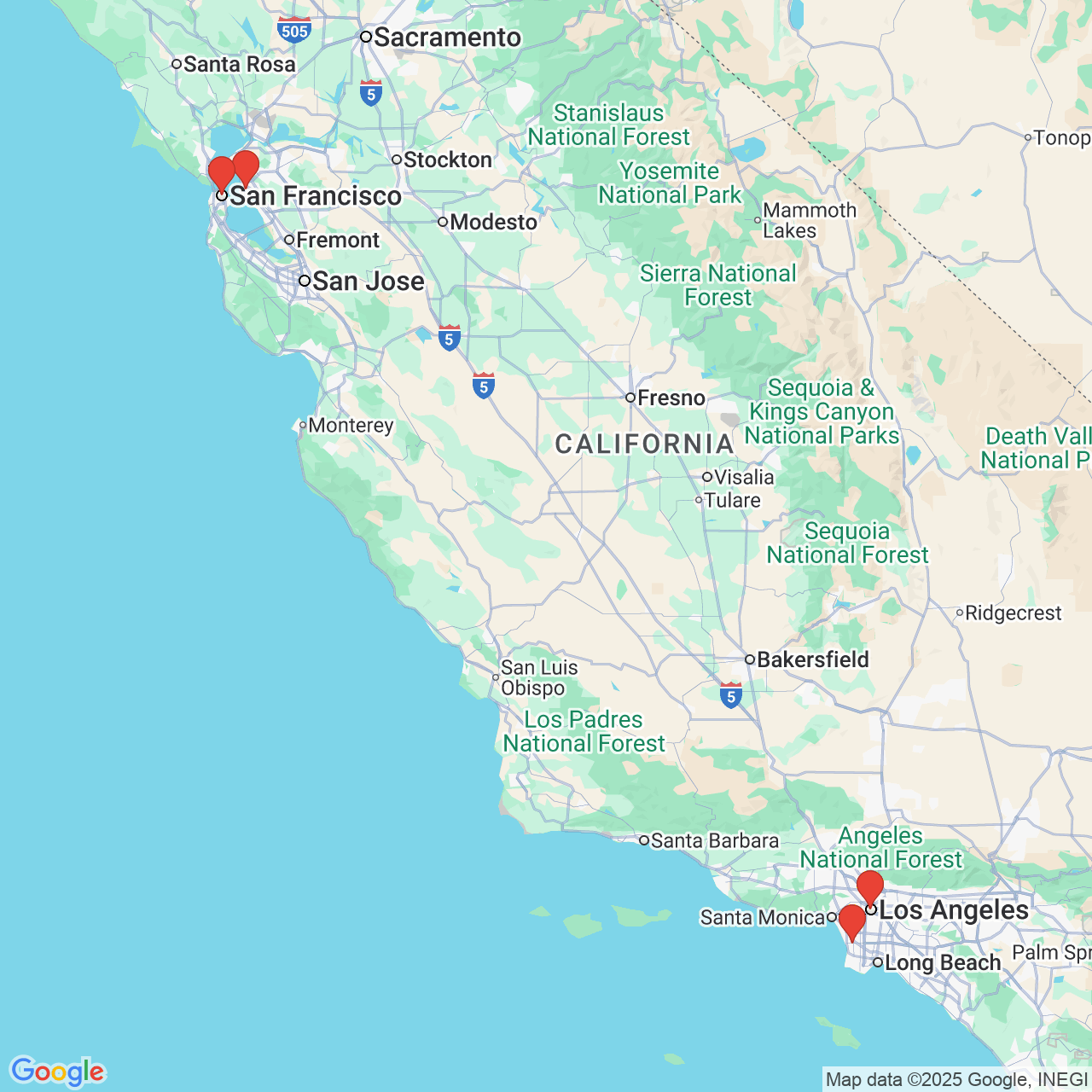
Christopher B. Dolan leads a team of attorneys in Los Angeles, Oakland, Redondo Beach, and San Francisco, representing personal injury, discrimination, and employment law cases. We are the best lawyers we hope you’ll never need. Our successful courtroom cases have resulted in our recognition for excellence by:
Request a free case evaluation by filling out our online form or by calling us at (415) 421-2800.
Locations
We have 4 locations to visit us at.