
"What are the new employment laws in California for 2026?"
2026 brings big changes for California employers, including a statewide minimum wage increase, stricter pay transparency and pay data reporting, a ban on most “stay or pay” training repayment contracts, mandatory “Know Your Rights” notices and wider leave protections. These California employment law updates in 2026 can also impact employees, applicants and workers evaluating their pay, job protections, and workplace rights. These changes significantly expand compliance obligations and increase penalties for non-compliance, so employers should be sure to audit their policies, contracts and pay practices before January 1, 2026.
As of January 1, 2026, California’s state minimum wage will increase to 16.90 dollars per hour for all employers, regardless of size. This statewide minimum wage increase is a key California labor law change for 2026. Because exempt employees must earn at least twice the state minimum wage for full-time work, the minimum exempt salary will rise to $70,304 dollars per year in 2026.
California’s Senate Bill 642 strengthens the state’s equal pay laws by making them clearer and easier for employees to enforce. It requires employers to give realistic pay ranges for jobs so that workers and applicants have a better idea of what a position pays. The bill also updates the law to protect workers of any sex from pay discrimination and expands what counts as wages to include things like bonuses and other compensation. In addition, it gives employees more time to file claims and recover unpaid wages for pay discrimination (3 years to file a pay discrimination claim but allows recovery for up to 6 years of unpaid wages if the unfair pay practice was ongoing). Overall, SB 642 extends protections to more workers and strengthens enforcement, while requiring employers to be more accurate in how they disclose pay. These requirements are commonly associated with California pay transparency compliance for 2026.
California’s Senate Bill 464 makes employers report data in more detail so that the state can spot wage gaps easier. It requires companies with 100 or more employees to collect and store demographic information separately from their regular personnel files. Additionally, starting January 1, 2027, companies must report pay data across 23 job categories instead of the previous 10, allowing a clearer picture of how pay varies by role and employee demographics. If an employer fails to submit the required reports, courts can impose penalties when the state requests the data. Overall, the law aims to make pay practices more transparent, provide the state with better tools to enforce equal pay laws, and help ensure workers are compensated fairly. This is often discussed alongside California equal pay and pay data reporting requirements.
California’s Senate Bill 648 strengthens protections for tipped workers by providing better ways to enforce the state’s existing tip laws. Under current law, tips belong entirely to the employee and employers can’t take them, deduct them, or count them against wages. SB 648 now allows the California Labor Commissioner to investigate tip theft, issue citations, and seek civil penalties when employers keep or improperly handle the gratuities of their employees. This enforcement change may be relevant for wage and hour compliance and tip theft disputes. This makes it easier for tipped workers to recover stolen tips and holds employers accountable when they violate tip laws.
California’s Senate Bill 513 updates the state’s laws on employee access to personnel records. The law clarifies that education and training records an employer keeps regarding a worker are part of their personnel file and must be available for the employee to inspect and copy. When an employer keeps records of training or education, those records must list the employee’s name, the training provider, the date and length of the training, the core skills covered (including skills in equipment or software), and any certification or qualification earned. Further, employees will have the right to see and get copies of these records within the usual 30-day deadline, with penalties if employers do not comply. This is part of broader California employment compliance obligations.
Beginning January 1, 2026, California’s Assembly Bill 692 makes it illegal for employers to include contracts that force employees to pay money if they leave a job. This includes things like training repayment fees or other charges meant to lock someone into a position. Workers can sue if an employer tries to enforce these contracts, and courts can award damages plus attorney’s fees. This provides workers with more freedom to change jobs without feeling trapped. However, some exceptions remain, like certain loan repayment programs. This change may affect onboarding documents, training agreements, and employment contracts.
This new Workplace “Know Your Rights” Act will require employers to give California employees a clear, stand-alone written notice of their rights when hired and every year after, starting January 1, 2026, the notice will include things like workers’ compensation, organizing rights, constitutional protections, and protections against unfair immigration-related practices. Employers may use a template from the Labor Commissioner website that will be posted by January 1, 2026. Additionally, employees can list an emergency contact, who must be notified if they are arrested or detained while at work or during work duties (if the employer has actual knowledge of the arrest or detention). This law protects workers from retaliation for exercising their rights, allows the Labor Commissioner or a prosecutor to enforce penalties against noncompliant employers, and requires the first notices to be given by February 1, 2026. These notice requirements can be a key audit item for California employers in 2026.
California’s Senate Bill 617 is an update to the state’s Cal-WARN act, giving workers facing mass layoffs more useful information about resources that can help them. Under the existing WARN Act, employers must give advance written notice when planning a mass layoff, relocation, or termination but they were not required to tell affected workers how to access job search help or public assistance. SB 617 now requires employers to include in their WARN notice whether they plan to work with a local workforce development board or another service provider and to include contact information and details about services like workforce support and food assistance programs such as CalFresh. If employers fail to comply, they can face enforcement actions by the state. This may be relevant for employers planning layoffs, relocations, or closures in California.
Assembly Bill 406 strengthens workplace protections for employees who are victims of certain crimes or acts of violence or have family members who are. It expands unpaid, job-protected leave and use of existing paid sick leave or PTO so that employees can go to court, get medical or mental health care, work with law enforcement, or arrange for safety and relocation, without risking losing their jobs or facing retaliation.
The law clarifies who counts as a covered victim by including victims of domestic violence, sexual assault, stalking and certain serious or violent crimes. It also assigns enforcement of these protections to the Civil Rights Department, sets rules for notice, documentation, and confidentiality and includes timing provisions. The law applies to incidents on or before December 31, 2024, and took effect immediately when signed into law. These expanded protections can intersect with retaliation, leave, and workplace rights issues.
If you believe these new California employment laws in 2026 relate to your workplace situation, our employment lawyers can help evaluate potential claims involving retaliation, discrimination, harassment, wage and hour violations or wrongful termination.
Learn more on our Employment Law Page and reach out through our contact form to request a confidential review.
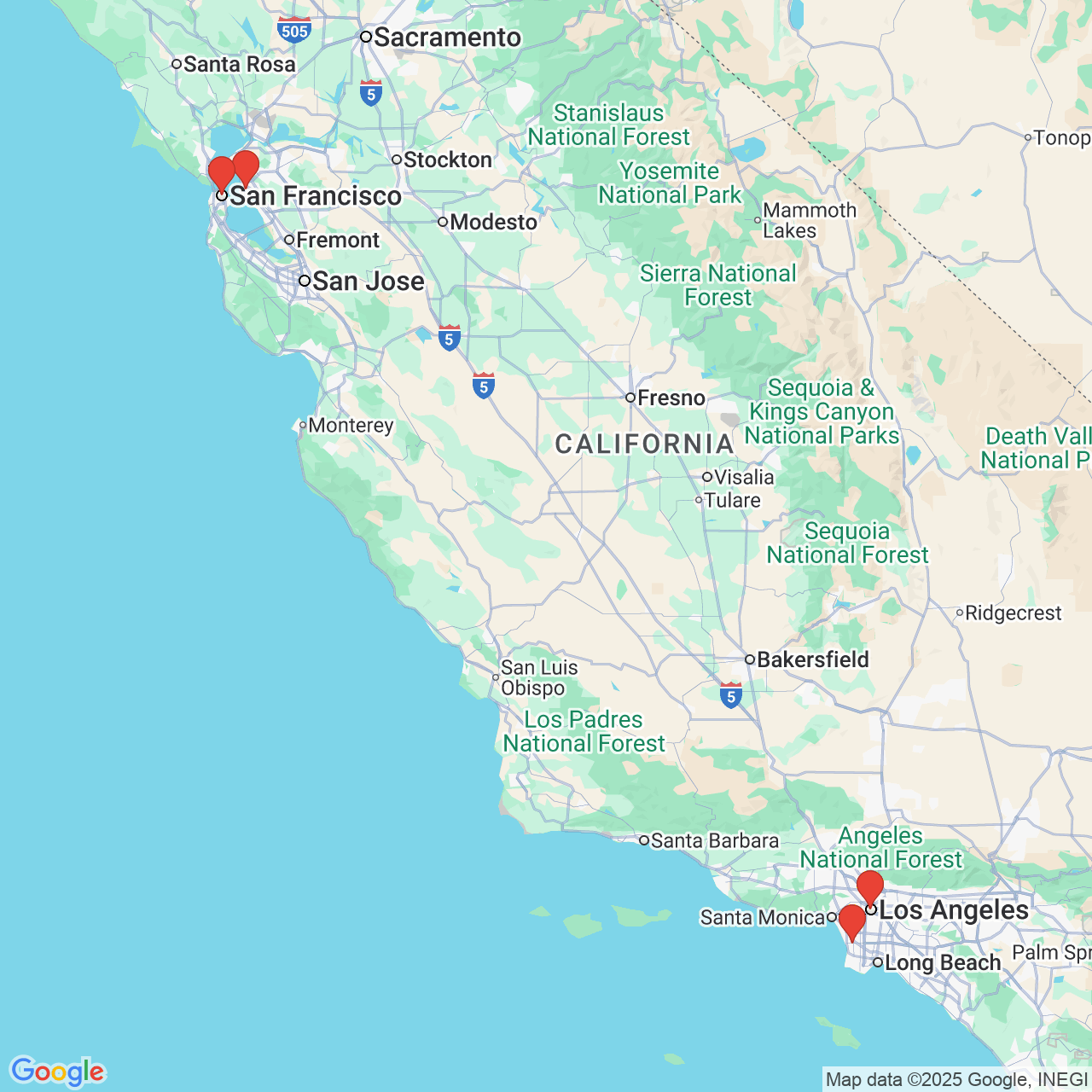
Christopher B. Dolan leads a team of attorneys in Los Angeles, Oakland, Redondo Beach, and San Francisco, representing personal injury, discrimination, and employment law cases. We are the best lawyers we hope you’ll never need. Our successful courtroom cases have resulted in our recognition for excellence by:
Request a free case evaluation by filling out our online form or by calling us at (415) 421-2800.
Locations
We have 4 locations to visit us at.